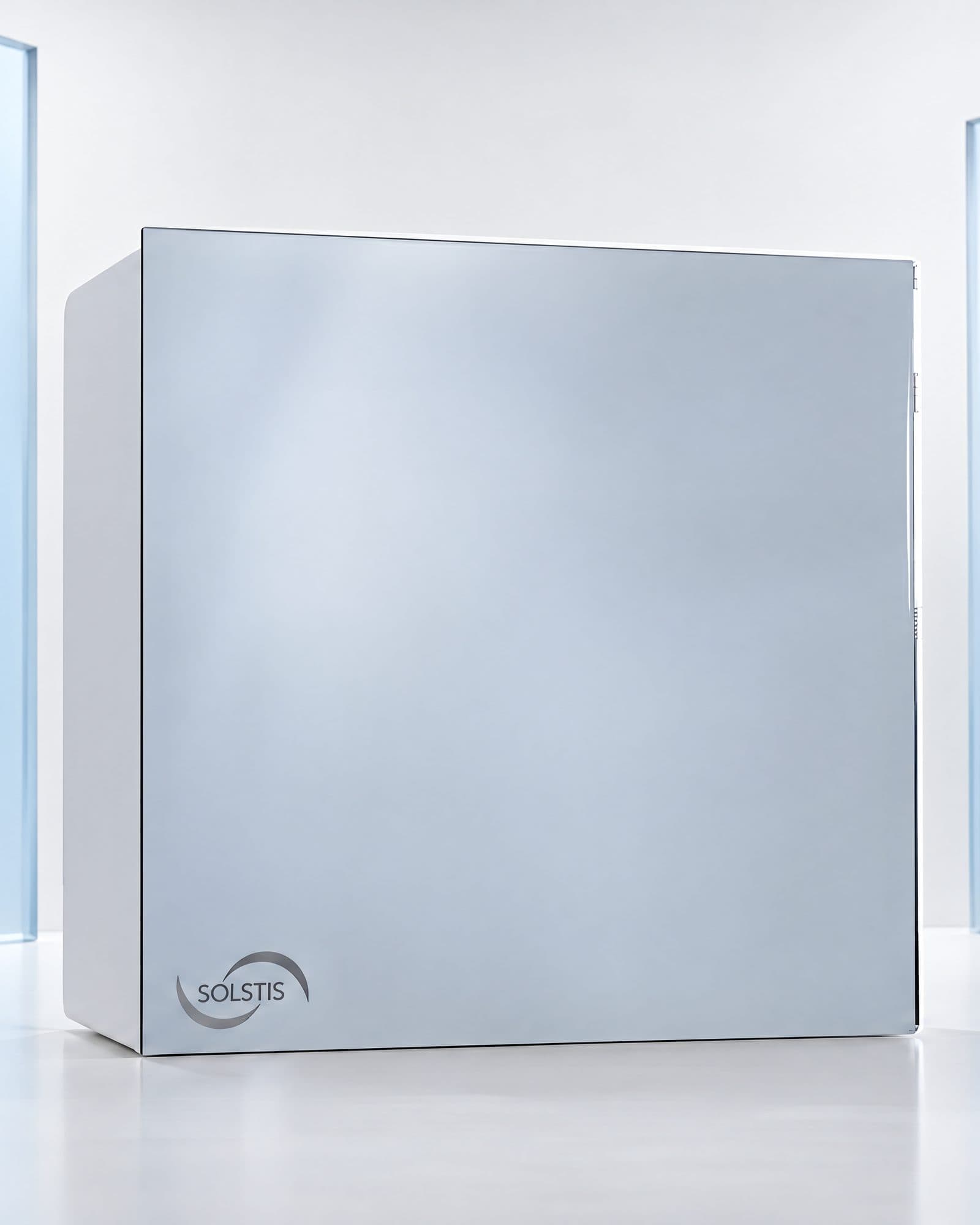
For universities and student housing
Solstis for every room on campus.

The facts
Students get hurt and sick.
Not always during clinic hours.
About 3.2 million students of housing capacity at more than 2,000 U.S. colleges.
IPEDS, 2023-24About 1 in 10 undergraduates surveyed reported an injury, such as a burn, sprain, or broken bone, in the past year.
ACHA-NCHA III, Spring 2026About 1 in 3 undergraduates surveyed reported a cold, sore throat or similar respiratory illness in the past year.
ACHA-NCHA III, Spring 2026
IPEDS, 2023-24: NCES, IPEDS Institutional Characteristics, 2023-24 data file and file documentation. Housing capacity is “the maximum number of students for which an institution can provide residential facilities, whether on or off campus”: beds, not rooms, and capacity, not occupancy. 2,067 institutions report institution-controlled housing.
ACHA-NCHA III, Spring 2026: American College Health Association, ACHA-NCHA III, Undergraduate Student Reference Group Data Report, Spring 2026. 44,602 undergraduates at 86 U.S. schools that chose to take part, with a 10% response rate, so not nationally representative. Both items ask about the last 12 months. Injury: “burn, sprain, or broken bone,” excluding concussion or TBI. Respiratory illness: “upper respiratory illness (for example: sinus infection, colds, or sore throat).”
Two paths
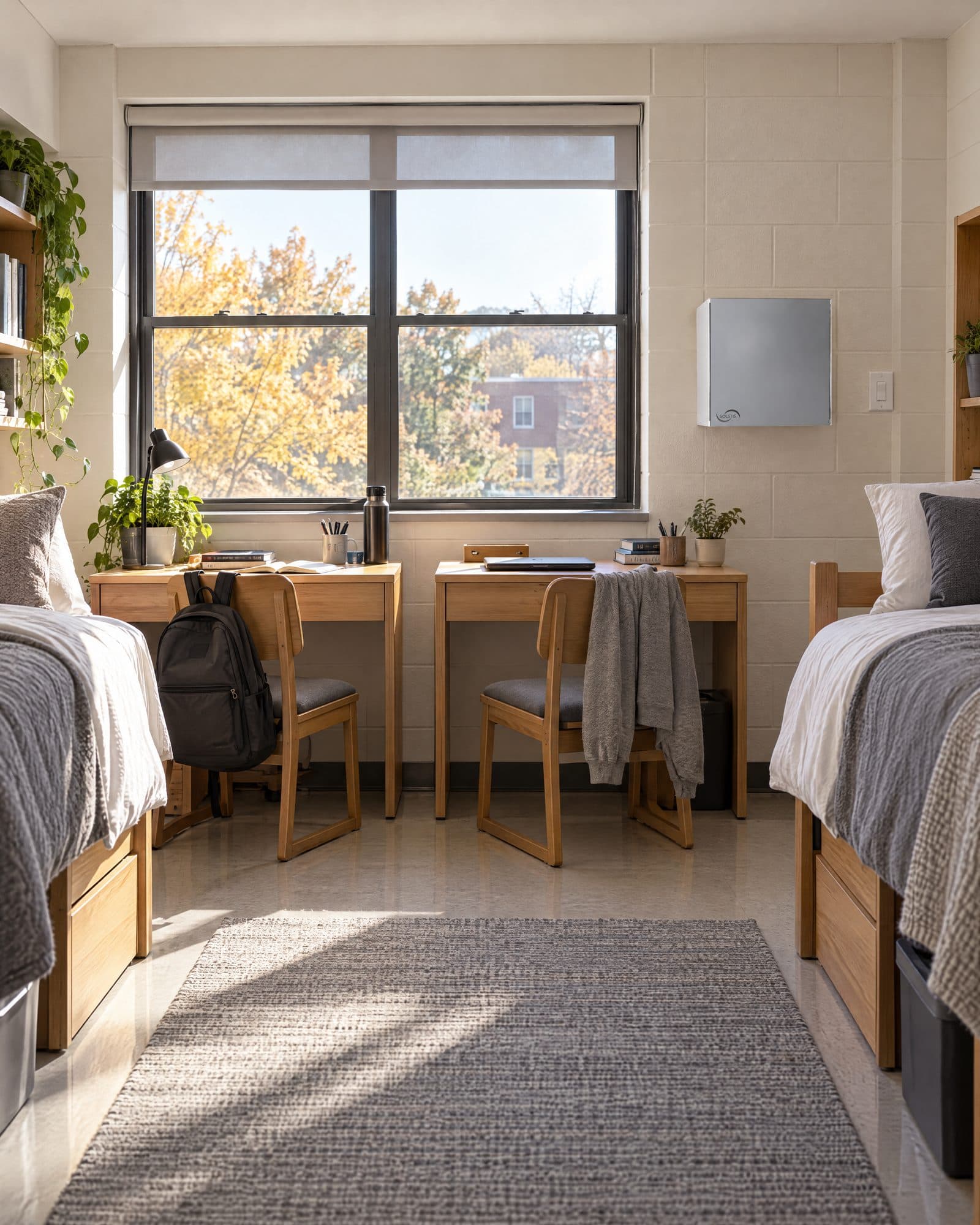
Colleges and universities
- Built for residence life and student health to support, not replace
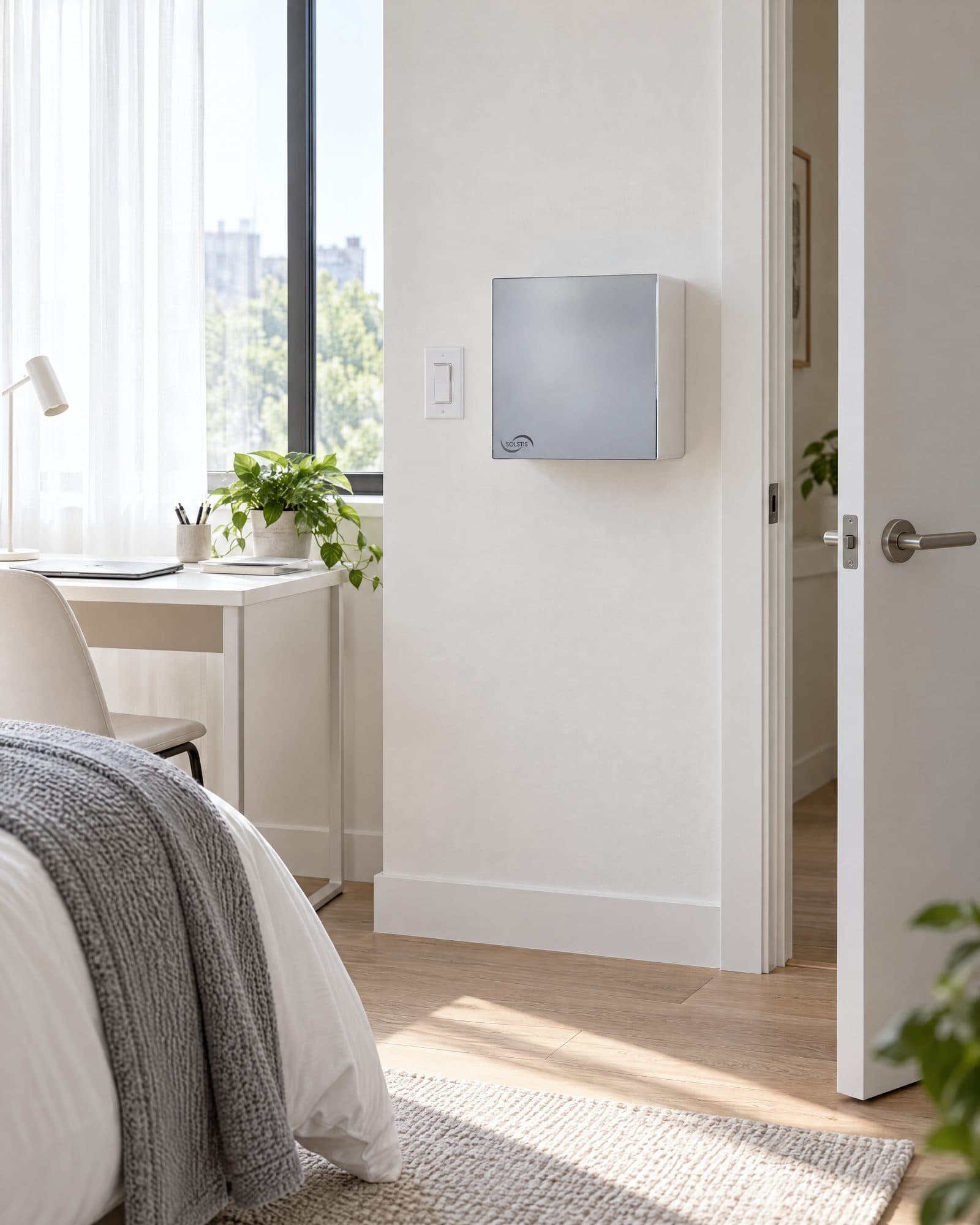
Private student housing
An amenity families notice at leasing time.
Parents are part of the housing decision. A Solstis in every room shows them your building takes resident well-being seriously, in a way they can see on a tour.
- 20 pilot units are already out with early users
Ways to work together
Amenity
- Who pays
- The operator, per room
- Best for
- Properties competing on leasing
Parent opt-in
- Who pays
- Families, per room
- Best for
- Colleges that endorse without buying
Hybrid
- Who pays
- Shared
- Best for
- Operators testing demand first

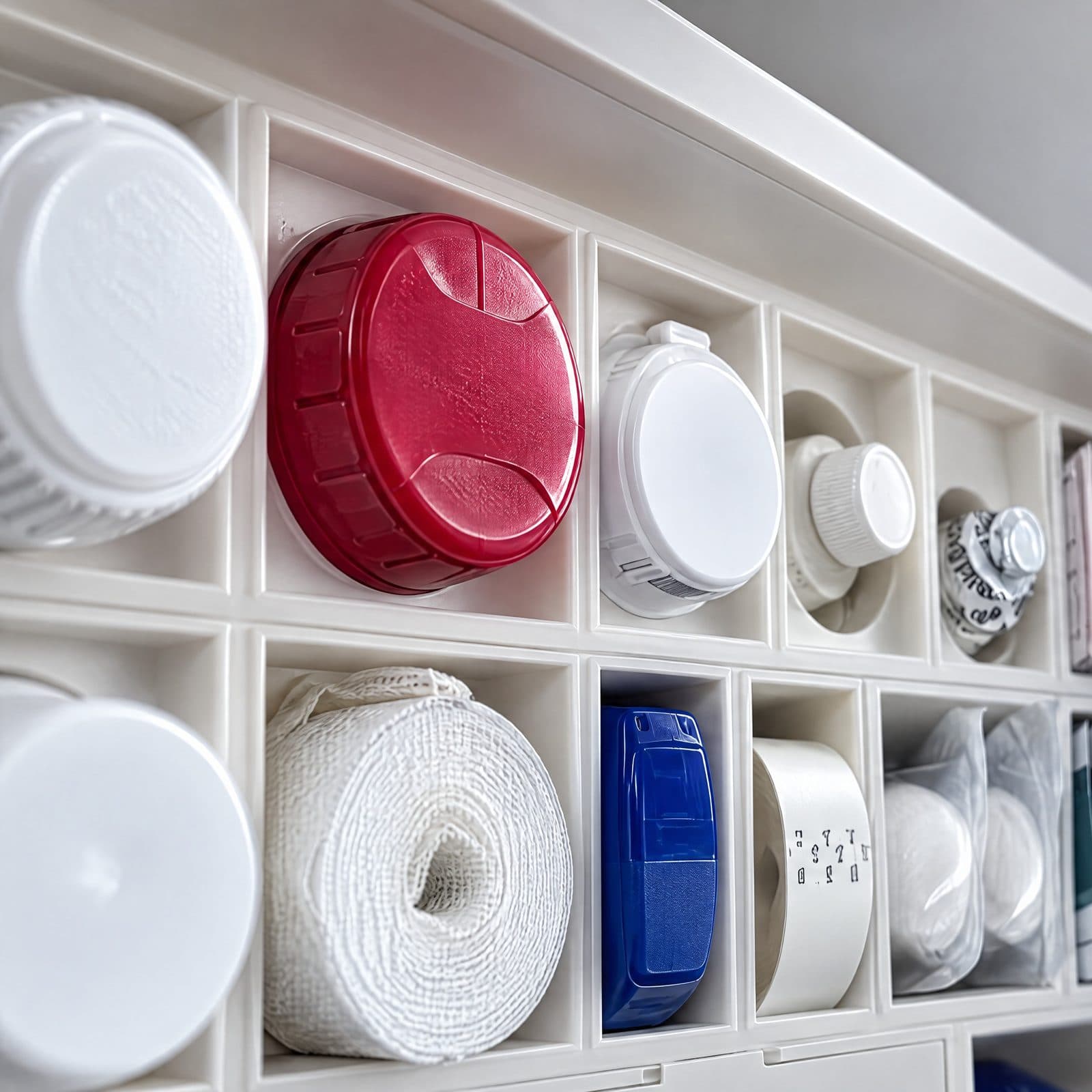
Operations, answered.
- Privacy
- Students are adults. No health or usage information goes to advertising tools.
- What it isn't
- Solstis isn't a medical service or a substitute for campus health or emergency care. In an emergency, call 911.
Proof
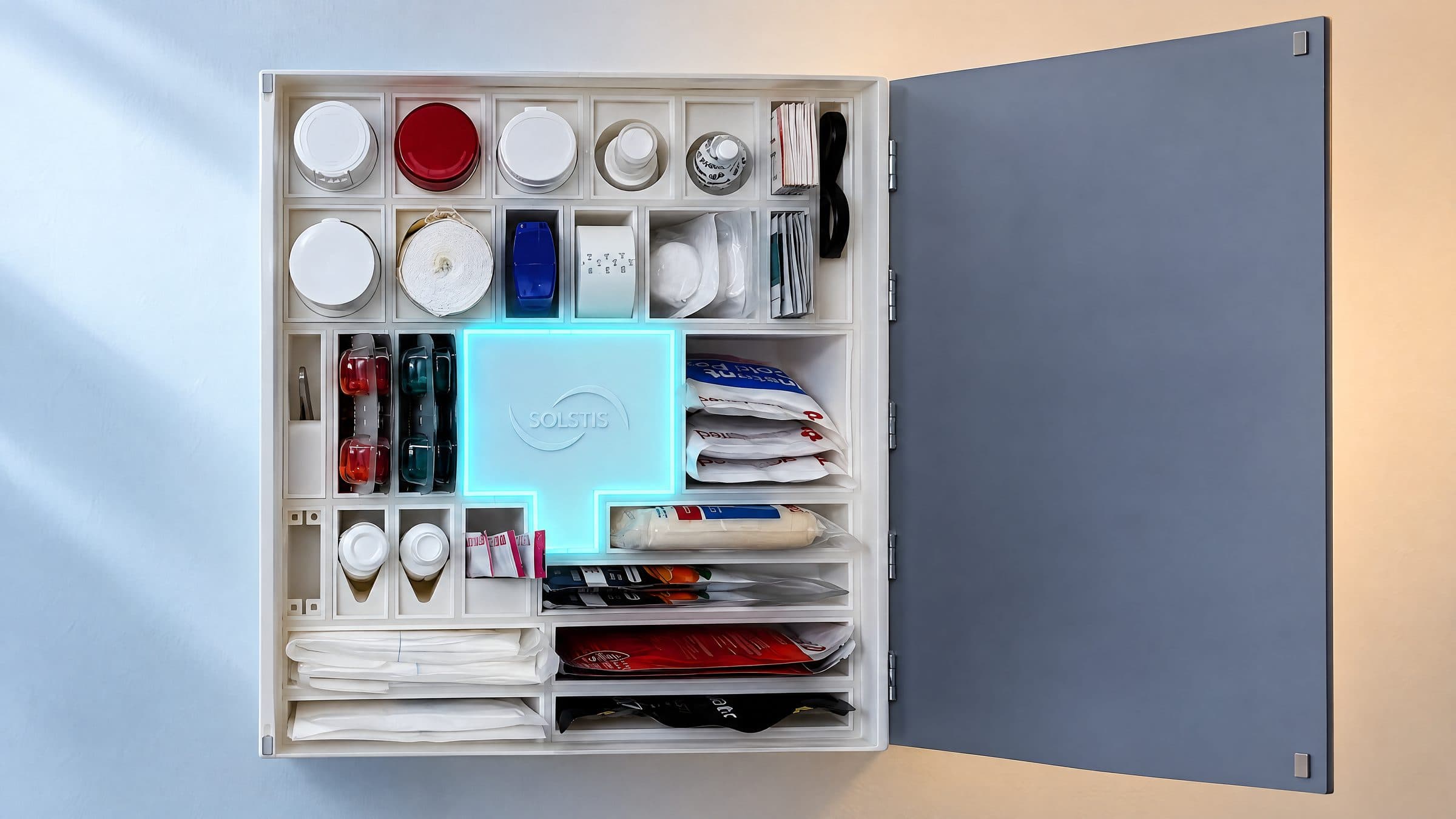
- Exhibited at ACUHO-I, the college housing officers' conference, June 2026
- 20 pilot units out with early users
- A team from Boston University and the University of Michigan
Request a pilot